

As a supplier for the HONDA HR-V, I've had the privilege of delving deep into the intricacies of its various systems. One of the most remarkable features of this vehicle is its climate control system, which offers passengers a comfortable and pleasant environment regardless of the external weather conditions. In this blog, I'll take you through how the HONDA HR-V's climate control system works.
Basic Components of the Climate Control System
The climate control system in the HONDA HR-V is composed of several key components. At the heart of it is the compressor, which is driven by the engine via a belt. The compressor's main function is to compress the refrigerant gas, raising its temperature and pressure. This high - pressure gas then moves to the condenser.
The condenser is located at the front of the vehicle, usually in front of the radiator. It works like a radiator, transferring the heat from the refrigerant gas to the outside air. As the hot refrigerant gas passes through the condenser, it gives off heat and condenses into a high - pressure liquid.
Next in the line is the expansion valve. This component is crucial as it regulates the flow of the refrigerant as it moves from the high - pressure side to the low - pressure side of the system. When the high - pressure liquid refrigerant passes through the expansion valve, it rapidly expands. This expansion causes the refrigerant to cool down significantly, turning it into a low - pressure and low - temperature mixture of liquid and vapor.
The evaporator is where the actual cooling of the cabin air takes place. The cold refrigerant in the evaporator absorbs the heat from the warm air blown over it by the blower motor. As the heat is transferred from the air to the refrigerant, the air cools down and is then blown into the cabin.
How the System Regulates Temperature
The HONDA HR-V's climate control system allows the driver and passengers to set a specific temperature. This is achieved through a thermostat, which continuously monitors the temperature inside the cabin. If the cabin temperature rises above the set temperature, the thermostat sends a signal to the system to activate the compressor.
When the compressor starts running, it begins the refrigeration cycle described above, cooling the air in the evaporator. The cooled air is then circulated into the cabin by the blower motor. On the other hand, if the cabin temperature drops below the set temperature, the thermostat signals the compressor to stop. This way, the system maintains a relatively constant temperature inside the cabin.
Air Distribution
The climate control system also offers different air distribution modes. There are vents located on the dashboard, in the footwells, and sometimes even on the rear side panels. The driver can select where the air should be directed using the control panel. For example, in the "defrost" mode, most of the air is directed towards the windshield to clear it of fog or ice. In the "leg" mode, the air is mainly blown towards the footwells, providing warmth to the passengers' lower bodies.
Automatic vs. Manual Mode
The HONDA HR-V's climate control system comes with both automatic and manual modes. In the automatic mode, the system takes care of everything. Once you set the desired temperature, the system will adjust the compressor operation, blower speed, and air distribution automatically to maintain that temperature. It uses sensors to detect not only the cabin temperature but also the outside temperature, sunlight intensity, and even humidity in some advanced models.
In the manual mode, the driver has more control. You can adjust the blower speed, compressor operation, and air distribution manually according to your preference. For instance, if you want a gentle breeze, you can set the blower to a low speed. Or if you need a quick blast of cold air, you can turn on the compressor at full capacity.
Comparison with Other SUVs
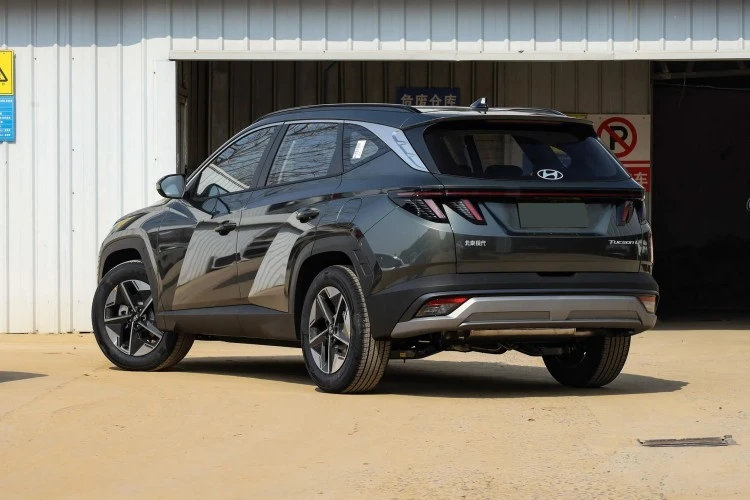
When comparing the HONDA HR-V's climate control system with those of other SUVs like the HYUNDAI TCSON and the BEIJING BJ40, it stands out in several ways. The HONDA HR-V's system is known for its precision in temperature regulation. The automatic mode is very responsive and can quickly adjust to changes in external conditions.
In contrast, some drivers find that the climate control systems in the HYUNDAI TCSON and BEIJING BJ40 may have a slight lag in cooling or heating, especially in extreme weather conditions. Also, the HONDA HR-V's air distribution system offers more flexibility, allowing for a more comfortable experience for all passengers.
When we look at a more high - end model in the Honda family, the HONDA CR-V, the HR-V still holds its ground. The fundamental operation of the climate control system is similar, but the HR-V offers a more compact and efficient solution, which is well - suited to its smaller size and lower energy consumption.
Contact for Procurement
If you are in the market for high - quality components for the HONDA HR-V's climate control system or other related parts, we are here to serve you. Our products are designed with the highest standards of quality and durability in mind. We have a team of experts who can assist you in finding the right parts for your production needs. Contact us today to start the procurement and let's work together to ensure the smooth running of the HONDA HR-V's climate control systems.

References
- Honda HR-V Owner's Manual
- Automotive HVAC Systems: Principles and Repair by John Tomczyk


