

Hey there, fellow car enthusiasts! As a supplier of gasoline SUVs, I've had my fair share of questions about how these vehicles stack up against others, especially when it comes to noise levels. In this blog, I'm gonna break down how the noise in a gasoline SUV compares to different types of vehicles.
Let's start by understanding what makes a vehicle noisy. There are a few main factors: engine noise, tire noise, and wind noise. The engine is the heart of the vehicle, and depending on its size, design, and how it's tuned, it can produce a lot of noise. Tires also play a big role. The type of tread, the material, and the pressure can all affect how much noise they make when rolling on the road. And then there's wind noise, which is caused by the vehicle moving through the air. The shape and aerodynamics of the vehicle can either reduce or increase this noise.
Now, let's talk about gasoline SUVs. Gasoline SUVs are known for their power and versatility. They usually have larger engines compared to smaller cars, which can mean more engine noise. However, modern gasoline SUVs are equipped with advanced technology to reduce this noise. For example, many of them have better insulation in the engine compartment and cabin, which helps to keep the engine noise outside.
Let's take a look at some popular gasoline SUVs. The BEIJING BJ30 is a great example. It has a well - designed engine that runs smoothly and quietly. The engineers have worked hard to minimize the vibrations and noise that usually come from the engine. The insulation in the cabin is also top - notch, so you won't be bothered by much engine noise when you're driving.
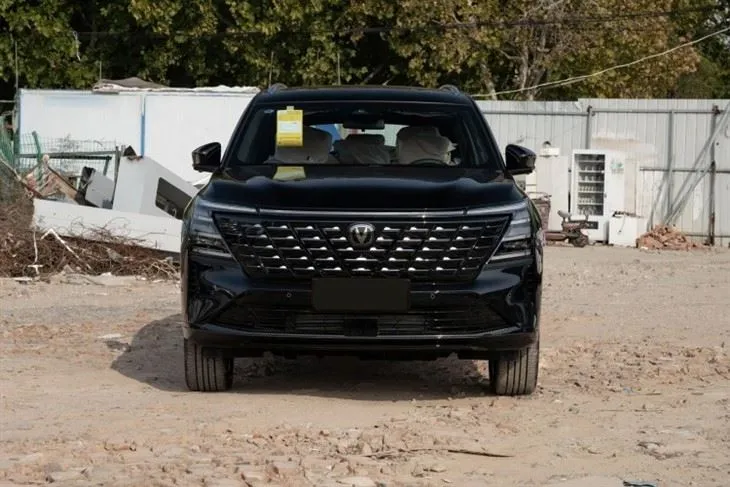
Another well - known model is the CHANGAN CS75 PLUS. This SUV has a powerful engine, but it doesn't sacrifice on noise reduction. It uses advanced noise - canceling technology to counteract the engine and road noise. The result is a quiet and comfortable ride, even at high speeds.
The TOYOTA FRONTLANDER is also a strong competitor in terms of noise levels. Toyota has a reputation for building reliable and quiet vehicles, and the FRONTLANDER is no exception. It has a refined engine and a well - aerodynamic body, which helps to reduce both engine and wind noise.
Now, let's compare gasoline SUVs to other types of vehicles. First up, small cars. Small cars usually have smaller engines, so in theory, they should be quieter. However, they often lack the insulation and noise - reduction features of modern gasoline SUVs. Many small cars have thin body panels and less sound - deadening material, which means you can hear more road and engine noise inside the cabin.

On the other hand, electric vehicles (EVs) are generally very quiet. Since they don't have a traditional combustion engine, there's no engine noise. However, they still have tire and wind noise, just like any other vehicle. Gasoline SUVs, with their advanced insulation and noise - reduction technology, can get pretty close to the quietness of EVs, especially on the highway.
Hybrid vehicles are a bit of a mix. They have both a gasoline engine and an electric motor. When running on the electric motor, they're as quiet as EVs. But when the gasoline engine kicks in, there will be some engine noise. However, hybrid SUVs are designed to switch between the two power sources smoothly, so the transition is usually not very noisy.
Diesel vehicles are known for their loud engine noise. Diesel engines operate at a different combustion cycle compared to gasoline engines, and this often results in a louder, more distinctive sound. Gasoline SUVs are definitely quieter than diesel vehicles in terms of engine noise.
In terms of tire noise, it depends on the type of tires used. Some SUVs come with all - terrain tires, which are designed for off - road use. These tires tend to be noisier on the road compared to regular street tires. But if you choose a gasoline SUV with good - quality street tires, the tire noise can be kept to a minimum.
Wind noise is also an important factor, especially at high speeds. SUVs are generally larger and have a more boxy shape compared to some cars, which can make them more susceptible to wind noise. However, as I mentioned earlier, modern gasoline SUVs are designed with better aerodynamics to reduce this noise.
So, overall, gasoline SUVs have come a long way in terms of noise reduction. They offer a good balance between power and quietness. With the right technology and design, they can be just as quiet as, if not quieter than, many other types of vehicles.
If you're in the market for a new vehicle and noise levels are important to you, I highly recommend checking out our range of gasoline SUVs. We have a wide selection of models to choose from, each with its own unique features and benefits. Whether you're looking for a compact SUV for city driving or a larger one for family trips, we've got you covered.
If you're interested in learning more or want to start the procurement process, don't hesitate to reach out. We're here to answer all your questions and help you find the perfect gasoline SUV for your needs.
References:
- Automotive Noise Reduction Technology Research Papers
- Vehicle Manufacturer Specifications for Noise Levels
- Consumer Reports on Vehicle Noise


