

As a supplier for BYD HAN, I've had the privilege of delving deep into the intricacies of this remarkable vehicle, especially when it comes to its energy consumption. In this blog post, I'll share my insights on what makes the energy consumption of BYD HAN stand out in the market, comparing it with some of its competitors, and highlighting the factors that contribute to its efficiency.
Understanding the Basics of BYD HAN's Energy Consumption
The BYD HAN BYD HAN is a plug - in hybrid sedan that combines a traditional internal combustion engine with an electric motor. This dual - power system allows for different modes of operation, each with its own energy consumption characteristics.
In pure electric mode, the BYD HAN runs solely on battery power. The vehicle's large - capacity battery provides a decent range, which is a key factor in reducing overall energy consumption. By relying on electricity, the car can avoid the inefficiencies associated with internal combustion engines, such as heat loss and friction. The electric motor in the BYD HAN is highly efficient, converting a large percentage of the electrical energy stored in the battery into mechanical energy to drive the wheels.
When the battery charge is low, the BYD HAN switches to hybrid mode. In this mode, the internal combustion engine kicks in to either directly power the wheels or to recharge the battery. The intelligent energy management system in the BYD HAN ensures that the engine operates at its most efficient points, minimizing fuel consumption.

Factors Affecting BYD HAN's Energy Consumption
Driving Style
One of the most significant factors influencing the energy consumption of the BYD HAN is the driving style of the user. Aggressive driving, with frequent rapid accelerations and hard braking, can significantly increase energy consumption. When a driver accelerates quickly, the electric motor or the internal combustion engine has to work harder, drawing more energy from the battery or burning more fuel. On the other hand, smooth and steady driving, with gradual accelerations and decelerations, allows the vehicle to operate more efficiently.
Vehicle Load
The weight of the passengers and cargo in the BYD HAN also affects its energy consumption. A heavier vehicle requires more energy to move. If the car is fully loaded with passengers and luggage, the electric motor or the engine has to generate more power to maintain the same speed, leading to higher energy consumption.
Road Conditions
The type of road on which the BYD HAN is driven plays a crucial role in energy consumption. Driving on flat, smooth roads with consistent traffic flow is more energy - efficient than driving on hilly or congested roads. On hilly roads, the vehicle has to work harder to climb slopes, consuming more energy. In congested traffic, frequent stops and starts also increase energy consumption.
Climate Control
The use of climate control systems, such as air conditioning and heating, can have a significant impact on the energy consumption of the BYD HAN. In hot weather, running the air conditioning requires a significant amount of electrical energy from the battery. Similarly, in cold weather, the heating system draws power to warm the cabin, reducing the vehicle's range and increasing overall energy consumption.
Comparing BYD HAN with Competitors
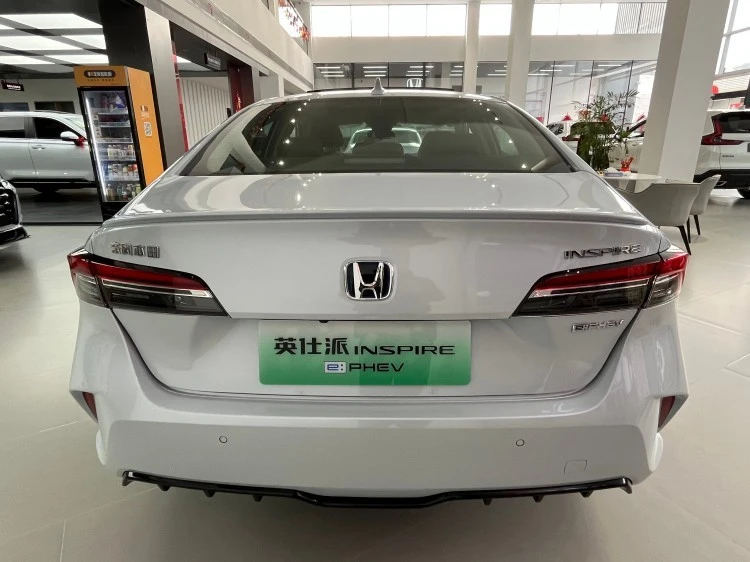
Let's compare the energy consumption of the BYD HAN with two other popular plug - in hybrid sedans: the HONDA INSPIRE HONDA INSPIRE and the BYD Destroyer BYD Destroyer.
The HONDA INSPIRE is a well - known plug - in hybrid sedan in the market. While it offers a comfortable driving experience, the BYD HAN generally has an edge in terms of energy efficiency. The BYD HAN's advanced battery technology and intelligent energy management system allow it to achieve a longer electric range and lower fuel consumption in hybrid mode compared to the HONDA INSPIRE.
The BYD Destroyer, another product from BYD, also competes in the same segment. However, the BYD HAN, with its larger battery capacity and more refined energy management, offers better overall energy consumption performance. The BYD HAN can travel longer distances on a single charge and uses less fuel when the engine is engaged, making it a more economical choice in the long run.
The Significance of Low Energy Consumption
Low energy consumption in the BYD HAN has several benefits. Firstly, it reduces the running costs for the vehicle owner. With lower fuel consumption and the ability to use cheaper electricity, the BYD HAN can save a significant amount of money over the vehicle's lifetime.
Secondly, it is more environmentally friendly. By consuming less fuel and relying more on electricity, the BYD HAN emits fewer greenhouse gases and pollutants. This is in line with the global trend towards sustainable transportation and helps to reduce the carbon footprint of the automotive industry.
Conclusion
In conclusion, the energy consumption of the BYD HAN is a result of its advanced technology, intelligent energy management system, and design considerations. It offers a balance between electric and hybrid operation, allowing users to choose the most energy - efficient mode based on their driving needs. When compared to its competitors, the BYD HAN stands out as a more energy - efficient option, providing cost savings and environmental benefits.
If you're in the market for a plug - in hybrid sedan with low energy consumption, the BYD HAN is definitely worth considering. As a supplier, I'm confident in the quality and performance of this vehicle. If you're interested in procurement or have any questions about the BYD HAN, please feel free to reach out for further discussion and negotiation.
References
- BYD official product documentation
- Industry reports on plug - in hybrid vehicles
- Comparative studies on energy consumption of different plug - in hybrid sedans


