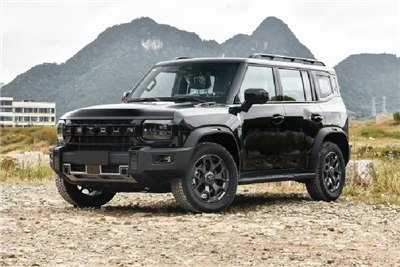
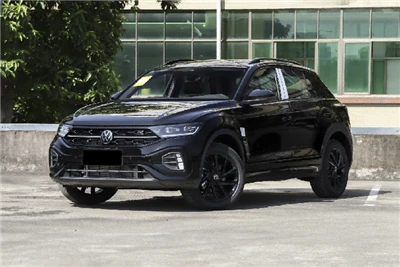
The fate of traditional car design elements such as grille has been widely discussed as the wave of electric cars sweeps the globe. This iconic symbol has carried the technology logic of the automobile industry for more than a century and become an important carrier of brand culture. However, with battery-electric powertrains replacing internal combustion engines as the core propulsion source, the functional necessities of grille are greatly reduced, prompting a profound transformation in design language from ``explicit technical expression"to ``implicit cultural inheritance ''.
The Grille: from Functionality to symbolic
The grille originated from the cooling needs of internal combustion engines. In the late 1800s, Mercedes-Benz designed its iconic front engine grille to cool air convection. In 1938, the Volkswagen Beetle adopted a rear-mounted air-cooled engine and achieved its first steel-free grille design. In 2016, the Tesla Model 3 redefined new energy aesthetic its closed front fascia, marking a shift in the grille from a technical necessity to a brand symbol.
In the electric age, the shift accelerated. On one hand, cooling requirements for electric motors and battery packs can be met through underbody air intakes or liquid cooling systems, reducing the need for large grilles. Brands, on the other hand, are innovating through digital grids and illuminated logos to turn them into interactive interfaces. Mercedes-Benz's EQ series, for example, comes with a closed black panel with integrated sensors that incorporate the tech feel of smart driving while maintaining brand recognition. Galaxy Light Gen 2 features a the "Galaxy Waterfall" grille with dynamic lighting effects that welcomes user interaction and incorporates traditional elements into the dynamic design language.
ii. Electrical Design: Aesthetic Innovation
The destructive impact of electrification on automobile design is essentially a a morphological evolution driven by technological restructuring. The Tesla Model 3's clean lines and XPENG P7's coupe-like silhouette reflect a low-drag design that directly optimises range. Cutting the drag coefficient by 0.01 can boost EV range by 5-8km, data shows, prompting designers to pursue extreme aerodynamics by hiding door handles and active grille blinds.
Function-driven design, however, does not lead to aesthetic homogenization. Geely's "oil-electric convergence" philosophy is multi-compatible through modular platform. Its "Galaxy Waterfall" grille can be adapted to a closed design in pure electric mode or a hybrid model that requires functional air intakes. The design philosophy is also evident in the electrification transitions of luxury brands such as Rolls-Royce Spectre and Maserati GranTurismo, whose iconic vertical slat grille has been retained but enhanced with parametric textures or variable lighting effects to convey a new energy technology aesthetic.
III. Future Design Directions: Technology Integration and Cultural Coexistence
1. Deep Fusion Interactive Experience.
With the development of intelligent cockpit and self-driving technology, car design is shifting from "mechanical aesthetics" to a "digital ecosystem." Hyundai Mobis has launched an integrated front fascia module that integrates grille, headlights and sensors into an intelligent interactive interface, enabling dynamic lighting communication between the vehicle and the environment. This trend is reflected in innovations such as ZEEKR MIX's opposing doors and NIO ET9's electric tailgate, suggesting the car will move towards mobile smart terminals.
2. Widespread adoption of sustainable materials
Environmental awareness is reshaping design value chains. BYD's third-generation Blade Battery uses lithium iron phosphate materials, which improves energy density while reducing resource dependence. Geely's Xingrui AI Cloud Power System achieves a 15% weight loss across the vehicle through material lightweighting. Inside, recycled plastics and natural fibres are reducing carbon footprints while redefining luxury standards through material innovation.
3. Personalized and Scenario-Based Design
Electric platforms liberate spatial patterns and make body shapes more diverse. Changan Auto's L4-level Robotaxi test vehicle, equipped with swivel seats and panoramic skylights, converts interior into a mobile meeting room or entertainment pod. This idea of scene-based design is already evident in MINI's personalized customization services, where consumers can choose body colors, wheel designs and even interior ambient lighting themes through an app.
IV. INTRODUCTION Epilogue: Evolution of Design Language
The debate over whether the grille will survive reflects the automotive industry's transition from "technology-driven" to "user-driven" growth. Electrification eliminates morphological differences between power systems, and design becomes the core battleground for brand differentiation. Geely Galaxy Light Gen 2 concept car embodies the concept of "Chinese design, global aesthetics," combining traditional elements with modern technology through a "Galaxy Falls" grille, heralding future designs that focus more on creative transformation of cultural DNA.
Automotive design language is undergoing unprecedented evolution in the process of electric, intelligent and sustainable transformation. It is no longer about morphological disruption, but about redefining next generation of mobile lifestyles through technology integration, cultural coexistence, and user experience reconstruction. As Chen Zheng, vice president of Geely Auto Group, put it: ``design transcends power! " Geely only builds great cars!"Yes, sir. This vision goes beyond powertrain forms and could be key to Chinese car brands leading global design trends.