Self-driving travel has exploded in China in recent years. According to statistics, the market size of China self-driving car industry will surpassed 1.2 trillion yuan in 2023 and continue to climb steadily. The popularity of self-driving travel has not only changed people's travel modes, but also spawned a unique "bed-car" culture, bringing new development opportunities and challenges for automakers.
The Rise of Self-Driving Travel and the Culture of "Sleeping Car"
The appeal of self-driving is freedom and flexibility. Visitors can plan their trips at their own pace and stay at their favorite spots. However, traditional self-driving tours face numerous challenges when it comes to accommodation. Hotel reservations need to be made in advance, and during peak tourist season, prices soar and rooms become scarce. In remote areas, the quality of accommodation is often difficult to guarantee. While recreational vehicles offer "stay-at-home, getaway" amenities, their large size and high purchase and maintenance costs keep many young people away.
Against this background, ``sleeper"came into being. There is no need to buy an RV. It can be instantly transformed into a"mobile nest" by simply converting a family car, such as placing a foldable mattress and equipping it with mini kitchenware. This low-cost, flexible method of travelling has quickly become popular with young people. Whether heading to the vast deserts of the Northwest or the deep valleys of the Southwest, sleeper buses allow visitors to find a place to rest and enjoy a close encounter with nature at any time.
Shift in Consumer Demands behind 'sleeper culture'
The rise of the "bed-car" culture reflects the profound shifts in the travel demands of contemporary consumers. On the one hand, consumers are no longer satisfied with the basic function of cars as vehicles. Instead, they expect cars to be mobile living spaces that cater to diverse living scenarios. Not only do they need a comfortable place to rest on the road, they also want to be able to cook, entertain and work in the car. On the other hand, consumers are increasingly seeking value for money and practicality. They are reluctant to pay high prices for features that are rarely used, preferring products that meet core needs at a reasonable price.
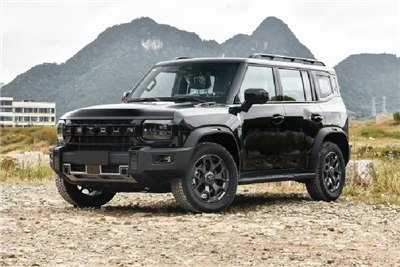
Take Wuling's Flat Land Cruiser, for example. At its heart is the ability to flatten the front seat 180 degrees, instantly turning it into a double bed. Overnight, it has gone viral on short video platform, sparking chatter about "large mobile bedrooms" and "camping神器 (camping must-haves."Not only does it meet consumers' need to take a break whenever they're on the road, it also has off-road features that take owners to great camping spots that are less visited. This kind of practical and convenient design idea, just hit consumers' pain points, won market recognition.
Automakers' Response Strategies and challenges
Automakers are rolling out initiatives in response to the new demand for "mobile living spaces." Some automakers are working with technology, home furnishing and fitness companies to upgrade cars from "transportation" to "mobile living spaces." Automakers, for example, are working with tech giants such as Huawei and Xiaomi to create "super-smart cockpits" that support voice interaction and multi-screen connectivity to seamlessly connect onboard systems to phones and computers. They have also teamed up with home improvement company Scene Link, which allows users to remotely start the in-car air conditioner in advance and automatically connect the car to a smart home device when they gethome.
Automakers, however, face challenges as they seize the opportunity. First, policies, regulations and safety standards are obstacles that must be overcome. The modification of the sleeper is related to the structure and safety performance of the vehicle. How to meet consumers' personalized needs while complying with laws and regulations is a problem that automakers need to solve. Second, long-term durability is also a focus for consumers. The use of sleepercars is relatively complex and requires good adaptability and stability to ensure proper operation in various environments. Moreover, market is becoming increasingly competitive. As more and more auto companies enter this field, how to build differentiated products and services, and how to improve brand competitiveness is also a question for auto companies to ponder.
The boom in self-driving travel has led to the rise of the "bed-car" culture, bringing new development opportunities for automakers. If automakers can seize the new demand of ``mobile living spaces' ', actively innovate and create products and services that meet consumers' expectations, they will undoubtedly stand out in the fierce market competition and open a new chapter in the automotive industry.
Self-driving Boom Spawns Sleeper Culture: Can Automakers Capitalize On New Demand For Mobile Living Spaces ?
Previous
Frequent Disorders in The Automobile Modification Market: Illegal Modifications Lead To Frequent Accidents—How Can Supervision Break The Deadlock?
Next
Solid-State Batteries Mass Production Enters Countdown: Carmakers Battle For Next-generation High-tech High Ground After Breaking 1,000km Barrier