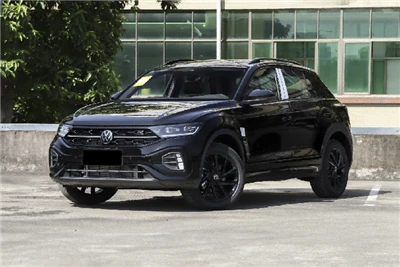
In general, cars are more fuel-efficient than SUVs. At the same engine displacement, the SUV averaged about 1.46 liters more fuel per 100km than the sedan. The overall fuel consumption difference is 20% to 30%, even more so with high-end SUVs. Here's a breakdown:
Causes of variance in fuel consumption
Weight: SUVs are larger and heavier than sedans. The Hav H6, for example, gets slightly above average gas mileage, while the Honda Civic leads its peers in fuel efficiency.
Drag coefficient: SUVs are more weatherproof than cars, just as lifting a 30-pound object requires a different level of strength than lifting a 50-pound object. At high speeds, SUVs require more power to overcome air resistance, leading to higher fuel consumption.
Tires and transmission: Most SUVs use tires with more fuel-efficient tread patterns and all-wheel drive, which helps with fuel consumption. Tire tread and four-wheel drive account for approximately 5% of fuel consumption each. Fuel Consumption Performance under different driving conditions
Low speed: Under 60km/h, same engine, gearbox, same mass, same tyres, almost the same fuel consumption for SUVs and cars.
Medium speed: Between 60 and 100km/h, the difference in fuel consumption difference between SUVs and sedans is approximately 10%-20%, depending on the vehicle's drag coefficient.
High-speed driving: Between 100km / h and 150km/h, the difference in fuel consumption difference between SUVs and sedans can be more than 50%. In extreme conditions, for example, the fuel consumption difference between a Volkswagen CC and a Jeep Ranch is more than 50%.
Special Situationss
Hybrid SUVs: Things are different with hybrid SUVs. Hybrid technology enables vehicles to optimize power switching under different driving conditions, effectively reducing fuel consumption. For example, during city stops, the Toyota RAV4 Rongfang Dual Engine's electric motor can intervene, shortening engine's run time and making it more fuel-efficient than some standard cars under certain conditions.
Driving Habits and road conditions: driving habits have a significant impact on fuel consumption. Whether you're driving a car or SUV, bad habits such as sudden acceleration, sudden braking and prolonged idling can lead to a spike in fuel consumption. Road conditions also have a different impact on fuel consumption. Frequent starts and stops in crowded urban areas increase fuel consumption, while SUVs have a greater disadvantage because of their weight and increased energy required to start. On highways, however, the advantage of lower wind resistance is more pronounced for cars. If the SUV is tuned to drive at high speeds, the difference in fuel consumption gap will narrow.